Hurt as a passenger on a bus, in a taxi or in a rideshare car? Knocked down on foot, or doored on a bike? For people in St Marys East, these are motor accidents in most cases, and the claim goes to a CTP insurer. We help you confirm it, point you to the right insurer, and tell you whether you need a lawyer at all.
Penrith & the Nepean · Motor vehicle accident claims
Not in a car? A motor accident lawyer for St Marys East
Free, by phone or online. We'll tell you honestly if a crash falls outside the scheme.
Postcode: 2760
- Free claim check, no obligation
- By phone & online, no office to visit
- Helping people in St Marys East & St Marys South
Riding, walking and cycling around St Marys East
The M4 carries trucks between Sydney and the west, alongside riders and commuters. If you were on a motorbike and a truck changed lanes into you, the claim generally goes to the truck's insurer. With St Marys station and bus stops on Great Western Highway nearby, many people walk or cycle to catch a service. If a vehicle hit you on the way, your claim is generally made to that vehicle's CTP insurer, whether or not you own a car. On the Great Western Highway or a side street, a crash with a motor vehicle is generally a CTP matter. If only the road surface brought you down, a cyclist usually has no CTP claim, though a motorcyclist's own Green Slip may still pay.
Around the St Marys town centre, shared paths, driveways and car park entries are where cars most often cross the path of cyclists and walkers. Photograph the layout and any signs, because fault can turn on who should have given way.
- Region
- Penrith & the Nepean
- Postcode
- 2760
- Getting around
- St Marys station · bus stops on Great Western Highway
- Main roads
- Great Western Highway · Hall Street
- Local landmarks
- St Marys town centre
- Nearest public hospital
- Mount Druitt Hospital
What counts as a motor accident
In NSW, a motor accident is generally an incident involving the use or operation of a motor vehicle that causes an injury. You don't need to have been driving, or even in a vehicle. A pedestrian, a cyclist, a pillion passenger and a bus passenger can all be injured in a motor accident. For accidents from 1 December 2017, the Motor Accident Injuries Act 2017 sets the rules.
Getting into or out of a vehicle is a common grey area. If a passing car hit you as you stepped out, or your driver moved off while you were halfway out, the injury may come from the use of a motor vehicle. Whether it does depends on exactly what happened, so write it down while it's fresh and have it checked.
If a heavy vehicle was involved
When a truck is to blame, the injury claim is made to that truck's CTP insurer. Nothing about the scheme or its time limits changes because the vehicle was a heavy one. What can differ is the evidence. Many trucks carry forward-facing cameras, some record location and speed, and heavy-vehicle drivers may keep work diaries. None of it will necessarily exist, and it may not be kept for long.
Injuries from a crash with a heavy vehicle are often serious: fractures, head injuries and injuries to the spine. Medical evidence needs to cover every injury, and early legal advice can be worth having because more parties and more records are involved. That doesn't mean you need a lawyer to lodge, only that the file can become complex.
If you were on a motorbike
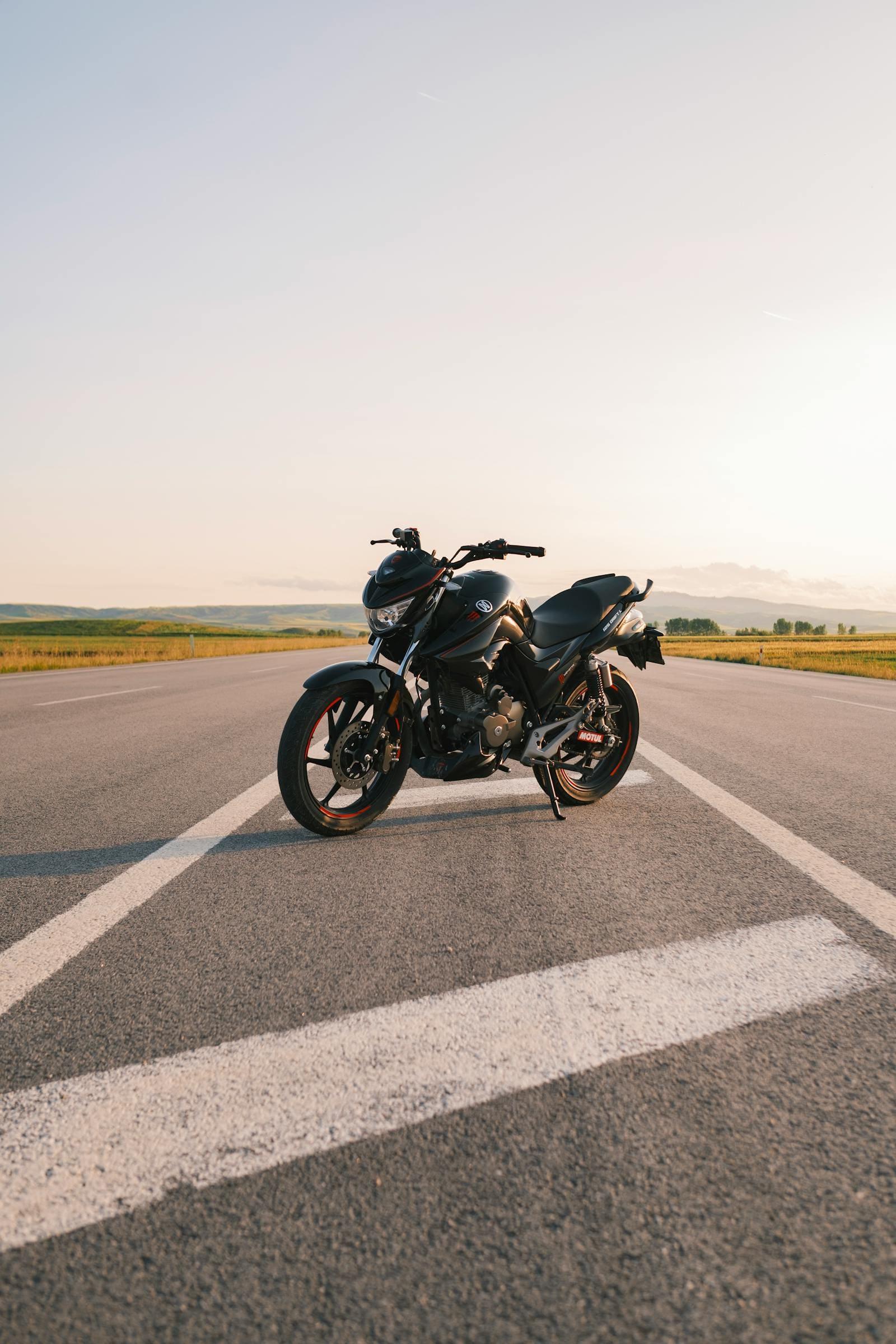
A rider hit by a car or truck makes the same kind of claim a driver would, against the insurer of the vehicle at fault. A rider who came down alone isn't shut out either: the bike's own Green Slip may pay statutory benefits. For a rider found wholly or mostly at fault, those generally run for the first 52 weeks only, with no damages claim, which is still far from nothing.
When a pothole, oil or loose gravel is the only reason a rider came down, there is usually no other vehicle's Green Slip to claim against. The rider's own bike insurer may still pay statutory benefits. Any complaint about how a road was maintained sits outside CTP, with its own rules and time limits, so get advice early if that's your situation.
Read next:Motorcycle accident claims

Free claim check
Riders, walkers, passengers: free check
Tell us how you were travelling and what happened. We'll say whether it looks like a motor accident claim and who can help.
Which crashes count as a motor accident
Riders, pedestrians and passengers often aren't sure whether their crash counts. The first list shows situations that are usually covered. The second shows ones that often aren't, and are worth checking before you give up on a claim.
Usually a CTP (motor accident) claim
- A car, truck, bus or motorbike hit you while you were walking, riding or cycling
- You were a pillion, or a passenger on a bus, in a taxi or in a rideshare car
- Someone opened the door of a parked car into your path
- An unsecured load or a loose trailer caused your crash (generally)
- A driver forced you off the road without touching you (it turns on the evidence)
Often not a CTP claim: check first
- You came off your bicycle and no motor vehicle played any part
- An e-scooter or bicycle rider knocked you down on a footpath
- You were hurt at a track day, race meeting or other closed-circuit event
- A pothole or loose gravel was the only cause of your fall
- A quad bike or unregistered trail bike on private land was involved
General information, not legal advice. Whether an incident is a motor accident depends on the facts. Time limits apply.
If you were on foot
Not every pedestrian injury happens on a street. Shopping centre, station and hospital car parks are open to the public, and a person hit there by a car that is reversing or turning can usually claim. A vehicle rolling down a home driveway can also be a motor accident, sometimes involving a child and a family car. The details matter, so check before assuming you can't claim.
For an older person, being knocked down by a vehicle can mean weeks away from home and help with everyday tasks afterwards. Record what support they now need, from shopping to personal care. Age doesn't affect the right to claim, and a family member can help manage the claim if the injured person agrees.
Read next:Pedestrian accident claims
Cyclists, e-bikes and e-scooters
Dooring is one of the more common ways cyclists are hurt in busy streets. A car door opened into your path is generally part of using that car, even while it's parked, so the injury claim goes to its CTP insurer. Before the car leaves, record its plate and who opened the door, and photograph the door and where you fell.
A helmet, lights after dark and your position on the road may all come up if the insurer says you contributed to the crash. Any reduction depends on evidence, including whether the missing item made an injury worse, and it generally shrinks a claim rather than ending it. Turning drivers are generally expected to give way to riders in a marked bike lane.
Read next:Cyclist accident claims
What to keep, depending on how you were travelling
For pedestrians, the key evidence is usually outside your control: shop, station, bus and council cameras, and dashcams in passing cars. Ask for footage in writing as early as you can. Witnesses who saw where you were crossing matter too. A police report and the ambulance record complete the picture of where and how the vehicle hit you.
- Your ride-tracking or GPS file from the day
- The vehicle's registration, company name or route number
- Photos of the crossing, lane markings or bike lane
- A screenshot of the rideshare or delivery trip
Read next:At-fault self-check
Do you need a lawyer after a motor accident?
The CTP scheme covers most road users, but the edge cases are where people get stuck. If the insurer says your crash isn't a motor accident, or your working arrangement complicates things, advice is often worth having.
Often worth talking to a lawyer
- The insurer says your crash wasn't a motor accident at all
- You were hurt getting into or out of a vehicle and the insurer disputes cover
- A heavy vehicle was involved and several parties are pointing at each other
- Cover is disputed because you were riding an e-bike or e-scooter
You may not need one
- You were a bus or rideshare passenger and the insurer has accepted the claim
- Your injuries are healing and treatment is being approved
- What you need first is a doctor to treat and record your injuries
If treatment is what you need now, start there. We can put you in touch with doctors and allied health experienced with CTP claims, who can complete the Certificate of Fitness and link your injuries to the crash.
Not quite your situation?
- If you were inside a car when it crashed, whether driving or as a passenger, the car accident lawyer page covers fault for you. Car accident lawyer in St Marys East
- If the vehicle that hit you drove off or had no insurance, or you aren't sure what claim this is, start with the car accident claim page. Car accident claim in St Marys East
- If your real question is whether you need a lawyer at all for a CTP claim, the CTP lawyer page answers that directly. CTP lawyer in St Marys East
Frequently asked questions
It usually starts as a workers compensation claim. When a crash happens while you're driving for your employer, you generally claim through the employer's insurer first, and CTP weekly payments and treatment aren't generally paid where workers compensation applies. A separate damages claim against an at-fault driver's CTP insurer may still be open. If you own your truck or work as a contractor, the answer may be different, so have your arrangements checked early.
It depends which vehicle was to blame. When the rider carrying you caused the crash, the claim goes to the Green Slip insurer of that motorbike. When a car or truck caused it, the claim goes to that vehicle's insurer instead. You weren't in control of the bike, so fault is rarely argued against you, though protective gear can occasionally come up. Your claim is against the insurer, not against the rider, even if they're your partner.
Possibly. The insurer may say that boots, gloves, a jacket or a helmet would have prevented or lessened a particular injury. If it can show that on the evidence, your claim may be reduced for contributory negligence, usually by a percentage. It rarely wipes out a claim, and it can't be assumed: medical opinion about how each injury happened matters. Cyclists face the same argument about helmets. Ask how any percentage was reached.
A child who was 16 or under at the time can get the treatment and care they need for as long as they need it, and that doesn't depend on fault, even if they ran onto the road. A parent or guardian usually lodges the claim with the car's CTP insurer. Other entitlements may depend on fault and the injury. Keep school and medical records together, as some effects only become clear over time.
Generally, yes. For a crash that happened in NSW, the NSW scheme usually applies, even when the vehicle is registered elsewhere. Identifying the right insurer can take a little longer, so give the insurer or CTP Assist the truck's plate, its state of registration, any company name and the exact location. Don't wait for that to be sorted before lodging, because the usual time limits still run from the date of the crash.
Often it's CTP. Rideshare platforms commonly treat drivers as independent contractors, not employees. On that footing you claim like any other injured driver: benefits through the Green Slip of the vehicle at fault, which is your own car's if you caused the crash, and a possible damages claim where another driver was to blame. If your arrangement actually makes you an employee, the position may be different, so have it checked.
Motor vehicle accident lawyer: suburbs near St Marys East
Related reading
- How motor accident compensation works in NSW
- Rideshare accidents and CTP
- At fault vs not at fault
- Crashes while driving for work
- Fractures
- Knee Injury
- Hip Injury
- Pelvic Injury After a Car Accident
- Wrist and Hand Injury
- Motorcycle Accidents in NSW
- Pedestrian Hit by a Car
- Cyclist Hit by a Car
- Rideshare or Taxi Passenger Accident
- CTP claims for motorcyclists
- CTP claims for pedestrians
- CTP claims for cyclists
- CTP claims for rideshare drivers
- Penrith & the Nepean: area guide
- CTP Lawyer Help in Sydney
Ready to talk it through?
Get a free, no-obligation claim check. It's the first step toward understanding where your claim stands and what help it needs.
CTP Lawyer is not a law firm. This page is general information, not legal advice; the independent lawyer you speak with can advise on your own situation.