Last updated · General information, not legal advice
Understanding knee injury
Knee injuries are common in car accidents, particularly from dashboard impact or bracing on the pedals just before a crash. As with shoulder injuries, the key legal distinction is between a soft tissue sprain (generally a threshold injury) and a meniscus, ACL or other ligament tear (specifically excluded from the threshold definition, and so generally non-threshold). Imaging is often necessary to confirm which category applies, and it's worth not assuming your knee pain is "just a sprain" without that confirmation.
Common symptoms
Symptoms can take hours or days to appear after a crash. Getting them assessed and documented early matters for your recovery — and for your claim.
- Knee pain, swelling or stiffness
- Instability or the knee "giving way"
- Clicking, locking or catching in the joint
- Reduced range of motion
- Difficulty weight-bearing or climbing stairs
Free claim check
Not sure where this leaves your claim?
How we help
A free claim check can explain what your knee diagnosis is likely to mean for your claim and whether further investigation would help. If imaging confirms a tear, or your recovery isn't progressing as expected, we'll connect you with an independent lawyer who can help you pursue the right classification and, where appropriate, damages.
Getting the right treatment
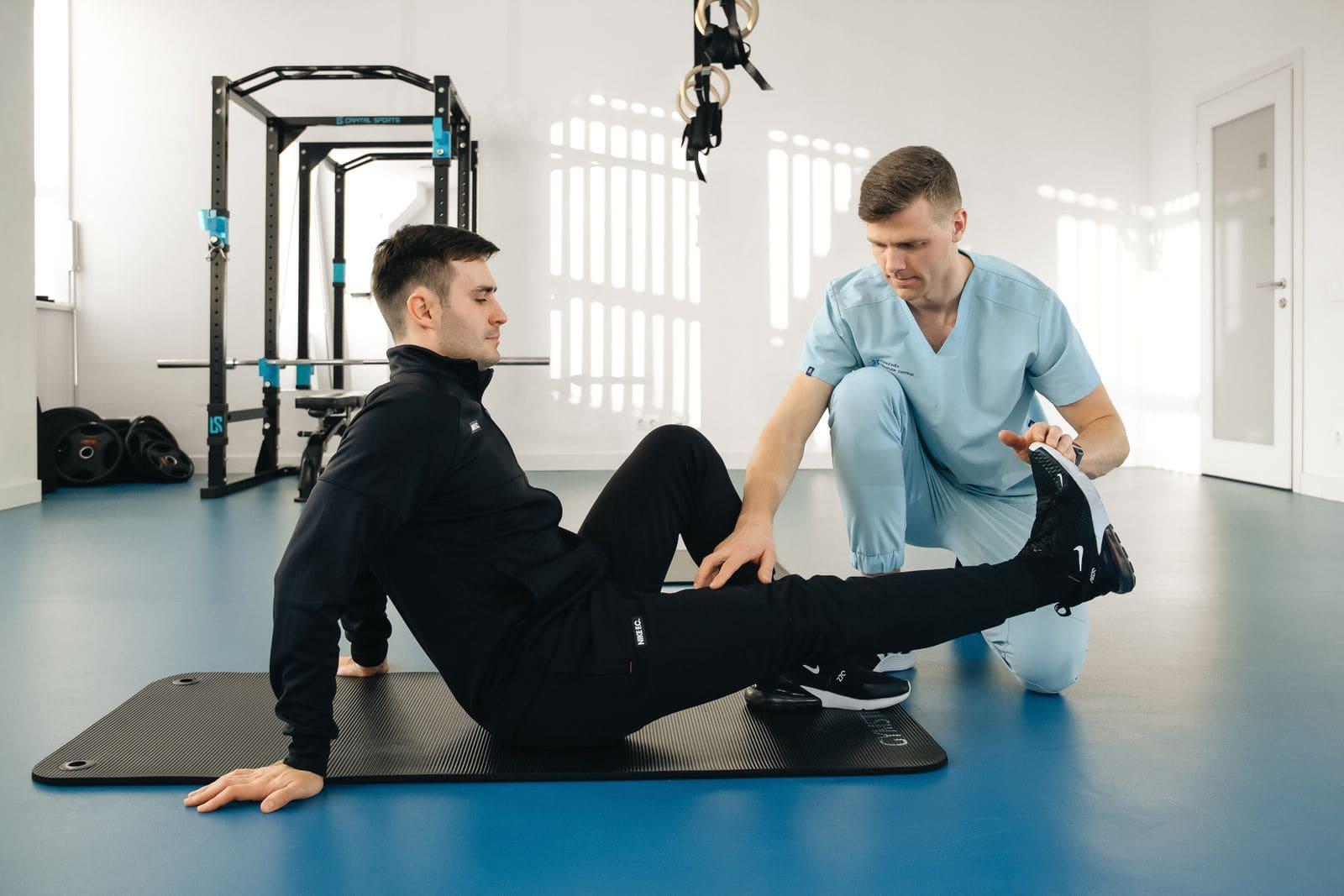
Getting a precise knee diagnosis from a doctor experienced with CTP claims — and a completed Certificate of Fitness — supports both your treatment and your claim. Physiotherapy and, as strength returns, exercise physiology are the usual allied health path for knee injuries, whether managed conservatively or after surgery. See doctors and allied health for CTP claims for help finding providers.
Doctors & allied health for CTP claims
Doctors & allied health
Need a doctor who understands CTP claims?
Your claim runs on medical evidence, so the doctor you see matters. If treatment is what you need, we can refer you to a doctor or allied health provider experienced with CTP claims.
- A doctor experienced with CTP claims — for diagnosis, a treatment plan and your Certificate of Fitness, which records your injuries and your capacity for work.
- Allied health such as physiotherapy, psychology and exercise physiology, for the treatment your injuries need.
- Free, with no obligation. We'll tell you if a provider we refer you to is connected with us, and you can always choose your own.
The CTP insurer generally pays for treatment that is reasonable and necessary for your accident injuries. It decides what's approved, and its decisions can be reviewed.
What matters for your claim
- 1Ask about imaging (MRI) if instability, locking or persistent swelling suggests more than a sprain
- 2Get a specific diagnosis distinguishing a sprain from a meniscus or ligament tear
- 3Keep records of any surgery (such as arthroscopy) and rehabilitation
- 4Document functional limitations — walking distance, stairs, kneeling, driving
- 5A whole person impairment assessment is relevant where the injury is confirmed non-threshold
Getting the right evidence
If your knee is unstable, locking, or not improving within a couple of weeks, ask your doctor about further investigation — a confirmed diagnosis matters for both your recovery and your claim.
This is general information, not medical or legal advice. If symptoms are severe or worsening, seek medical care straight away — call 000 in an emergency.