If you were hurt in a car crash in or around Glendale, fault is the question that shapes the rest of your claim. It rarely stops you claiming at all, but it decides whether a lump sum is possible and how long benefits can run. Our free claim check looks at what happened and what the insurer has said. We'll tell you honestly whether an independent lawyer should look at the fault question, or whether you can manage it yourself.
Newcastle & the Hunter · Car accident lawyer help
Car accident lawyer, Glendale: who was at fault?
Free, by phone or online. We tell you honestly whether a fault question needs a lawyer.
Postcode: 2285
- Free claim check, no obligation
- By phone & online, no office to visit
- Helping people in Glendale & Cardiff
Local context for a fault question in Glendale
Nelson Bay Road, the Pacific Highway and the Newcastle Inner City Bypass carry heavy local traffic. If the insurer says you contributed to a crash there, ask how it reached its percentage. Much of the local driving happens on Lake Road. After a crash on one of them, note the lane you were in, the nearest cross street and the signals, because fault often turns on those details. If you were taken to John Hunter Hospital, the ambulance and emergency records often note the type of impact, such as being hit from behind or side-on. That early description can support your version of how the crash happened.
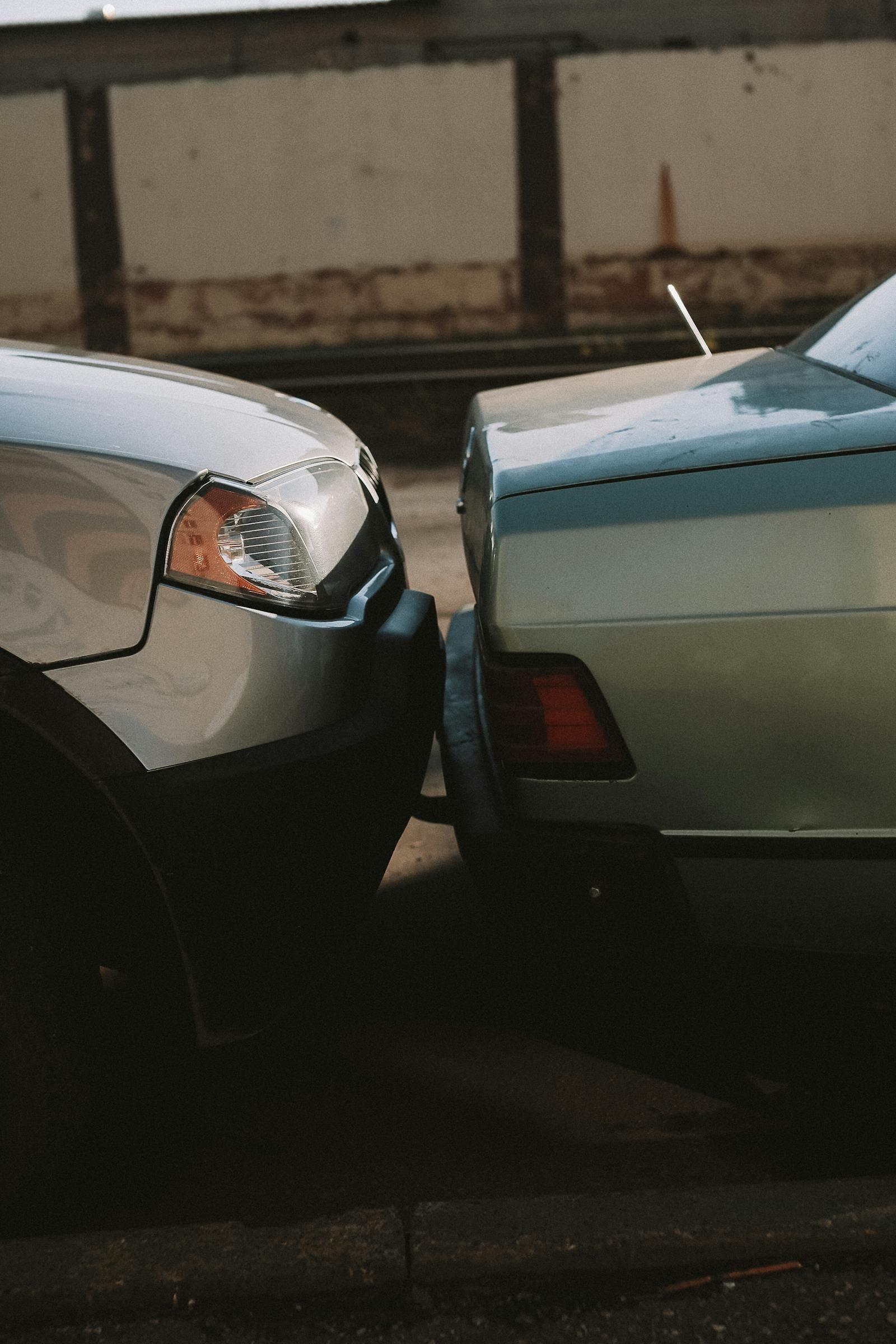
Traffic slows for pick-ups, bus stops and people crossing. A low-speed collision in that setting can still raise real questions about who should have given way, so note what each vehicle was doing.
- Region
- Newcastle & the Hunter
- Postcode
- 2285
- Main roads
- Lake Road
- Nearest public hospital
- John Hunter Hospital
What to note near Glendale that bears on fault
Once everyone is safe and anyone hurt has help, your memory of the crash is at its sharpest. Note which lane each car was in, what the lights or signs showed, roughly how fast you were going and where the vehicles came to rest. Write down anything the other driver said about how it happened. These details can decide fault later, and they fade within days.
- The lane each vehicle was in, and any lane change
- What the traffic lights or give-way signs showed
- Names and phone numbers of anyone who saw it
- Whether you and your passengers wore seatbelts
Read next:What to do after a car accident in NSW
Seatbelts, speed and your share of fault
A seatbelt argument is the classic example. If the insurer says your injuries were worse because you weren't belted in, it may reduce what you receive. The percentage isn't set by a formula. It's argued on the evidence, including medical opinion about how each injury happened, which makes it worth checking rather than simply accepting.
Check the percentage
If the insurer puts your share of fault above 61%, damages are off the table and benefits are generally limited to 52 weeks. Most insurer decisions can be internally reviewed, generally within 28 days of receiving the decision.
Read next:Can I claim if I was partly at fault?
Four ways fault can play out after a car accident
The insurer will form a view about who caused the crash, and that view shapes the rest of your claim. Find the situation closest to yours below, then check the detail with someone who can see your evidence.
Situation 1
You were not at fault
Your claim goes to the CTP insurer of the vehicle that caused the crash. You can receive statutory benefits, and if your injury is more than a threshold injury, a common law damages claim may also be open to you.
Situation 2
You were partly at fault
If you contributed to the crash or your injuries, for example by not wearing a seatbelt, the insurer may argue contributory negligence. Weekly payments after 52 weeks may be reduced, and any damages can be reduced by your share.
Situation 3
You were wholly or mostly at fault
For accidents from 1 April 2023, a driver found wholly or mostly at fault generally still receives statutory benefits for the first 52 weeks, but cannot claim damages. A child aged 16 or under at the time is still covered for the treatment and care they need, however long that is.
Situation 4
No one was clearly at fault
Unexplained crashes sit in a grey area. The 'blameless accident' provisions may allow a claim where no driver was at fault, but they don't fit every situation. Talk it through with someone who knows them before you rule anything out.
General information, not legal advice. Fault and contributory negligence are decided on the evidence. Time limits apply.

Free claim check
Car crash near Glendale? Free fault check
We'll look at the evidence of fault and your deadlines, and connect you with an independent lawyer only if your claim needs one.
Dashcam, witnesses and the police record
An independent witness, someone with no link to either driver, can carry real weight. Get their name and phone number at the scene if you can. If you can't, the police record may have their details. Photos of the final positions of the vehicles also matter, since damage patterns often show the angle and order of impact.
Your own account matters too, and consistency is what gives it weight. Write down what happened soon after the crash and keep that note. When you later describe the crash to a doctor, the insurer or a lawyer, tell it the same way. Differences between early and later accounts are one of the first things an insurer looks for.
- Dashcam footage, saved as the original file
- Independent witnesses' names and numbers
- Camera footage from nearby shops or homes
- Photos of signals, signs and lane markings
Save footage early
Many dashcams loop and record over older files. Copy the crash footage to another device straight away, and keep the original file untouched.
Whose insurer, when fault is shared or unclear
In a two-car crash, the injury claim usually goes to the CTP insurer of the car at fault, which is your own vehicle's insurer if you caused it. When fault is shared or unclear, the insurers may not agree at first. That shouldn't hold up your claim. Lodge with the insurer that fits the evidence you have, and let the fault question be worked out as the claim proceeds.
If you were hit from behind and pushed into the car in front, you may have been blameless in both impacts. Make that clear in your account: which impact came first, and whether you had stopped before being hit. Insurers sometimes treat a chain crash as one event, and the sequence is what shows your own share was nil.
Read next:Multi-vehicle accidents
Why fault matters more for a lump sum than for benefits
Most people hurt in a car crash can claim statutory benefits regardless of fault, covering weekly payments and reasonable and necessary treatment. Fault matters most for the lump sum. Common law damages are only possible if another driver was at fault, you were not mostly at fault, and your injury is more than a threshold injury. So a fault finding against you can close off damages even while benefits are paid.
Rules change
The fault rules and benefit limits described here apply to accidents from 1 April 2023. Earlier accidents can have different limits, so check the rules for your accident date.
Read next:At fault vs not at fault
If you were the passenger
A passenger isn't driving, so a passenger is rarely found at fault for the crash itself. The claim goes to the CTP insurer of whichever vehicle was at fault. If your own driver caused it, that's the Green Slip of the car you were in, even when the driver is a friend or family member. The insurer responds to the claim, not the driver personally.
Children in the car are in a special position. Whoever caused the crash, a child aged 16 or under at the time can keep receiving treatment and care for as long as they need it. Usually a parent or guardian lodges the claim for them. Fault can still matter for other entitlements, so keep the police record with the child's medical records.
Read next:Passenger injury claims
The other driver blames you: what now?
Being told you caused a crash when you believe you didn't is stressful, especially when damages depend on it. Before you respond, gather what you have: the event number, photos, footage, witness details and your own notes. Then get advice. An independent lawyer can say whether the finding looks sound and what challenging it would involve.
Read next:At-fault self-check
Fault after a crash: when to call a lawyer, and when you may not need one
Plenty of car accident claims never involve a fault argument. The ones that do often benefit from advice, because fault controls the lump sum. These lists show when a lawyer is commonly worth a call on fault, and when you may manage alone.
Often worth talking to a lawyer
- You were a passenger and both drivers blame each other
- A seatbelt or speed argument is being used to cut your claim
- The other driver changed their story after the crash
- A fault decision has been made and the review deadline is running
You may not need one
- Your question is about treatment, not about who caused the crash
- The other driver admitted fault and the insurer accepted it
- You mainly need a doctor to record your injuries
Fault may be the legal question, but your injuries are the heart of the claim. We can point you to doctors and allied health who work with CTP claims, including the Certificate of Fitness the insurer needs.
Not quite your situation?
- If you're still working out what kind of claim you have, such as car damage or a driver who drove off, start with the car accident claim page. Car accident claim in Glendale
- If you're engaging a solicitor and want to know what happens between now and settlement, the car accident solicitor page walks through it. Car accident solicitor in Glendale
- If you were riding, walking or cycling, or travelling by truck, bus or rideshare when you were hurt, the motor vehicle accident page fits better. Motor vehicle accident lawyer in Glendale
Frequently asked questions
Keep the original file safe first. Many dashcams record over older footage, so copy it to another device or cloud storage straight away, without trimming or editing it. Tell the insurer you have footage, and give it to police if they're investigating. If fault is disputed, the footage can be one of the strongest pieces of evidence you have, because it shows the crash rather than anyone's memory of it.
If your claim is against that vehicle's CTP insurer, you'll deal with them to run it, so a call is normal. Stick to facts, don't guess about speeds or injuries you're unsure of, and keep a note of the call. If you're asked for a detailed recorded statement about how the crash happened, you can ask for time to get advice first, especially if they're questioning who caused it.
Generally, yes. You claim against the CTP insurer of the vehicle at fault, which here is the Green Slip insurer of your friend's car. The claim is against the insurer, not against your friend personally. Passengers are rarely found at fault, though contributory negligence can still be raised in limited cases, for example if you knew the driver had been drinking. Your friend may be asked for their account, which is normal.
Not automatically, although it can help. A traffic fine or a criminal charge is a separate process from your claim, and the insurer generally looks at all the evidence rather than relying on it alone. A conviction can be strong support for your account. A charge that is dropped, or no charge at all, doesn't mean the other driver wasn't at fault. Keep a copy of any police paperwork you receive.
It can reduce your claim, but it usually doesn't end it. Not wearing a seatbelt is a classic example of contributory negligence. Weekly payments after 52 weeks may be reduced for it, and any damages can be reduced too. How much depends on the evidence, including medical opinion on whether a seatbelt would have changed your injuries. Get advice before you accept the percentage the insurer puts forward.
Usually less than people fear. Being partly to blame is called contributory negligence. It doesn't stop you claiming statutory benefits. It can reduce weekly payments after 52 weeks, and it reduces any damages by your share. It only removes damages altogether if your share is found to be greater than 61%. Ask how the insurer reached its percentage, and get advice if it seems high.
Car accident lawyer: suburbs near Glendale
Ready to talk it through?
Get a free, no-obligation claim check. It's the first step toward understanding where your claim stands and what help it needs.
CTP Lawyer is not a law firm. This page is general information, not legal advice; the independent lawyer you speak with can advise on your own situation.