Last updated · General information, not legal advice
Understanding back injury
"Back injury" covers a wide range under the CTP scheme, and the specific diagnosis matters more here than for almost any other injury type. A muscular strain or sprain is generally treated as a soft tissue injury — a threshold injury. Nerve damage, a fracture or a tear generally is not, which keeps common law damages on the table if you're not mostly at fault. Disc injuries sit in a more contested middle ground. Getting a precise diagnosis, not just "back pain", is one of the most important things you can do for your claim.
Common symptoms
Symptoms can take hours or days to appear after a crash. Getting them assessed and documented early matters for your recovery — and for your claim.
- Lower or upper back pain and stiffness
- Muscle spasms
- Pain radiating into the buttocks or legs
- Reduced range of motion or difficulty standing/sitting for long periods
- Numbness or tingling, which can indicate nerve involvement
Free claim check
Not sure where this leaves your claim?
How we help
A free claim check can explain what your specific diagnosis is likely to mean for how the injury is classified, and what further assessment (like imaging or a specialist review) might help clarify it. Back injuries with any nerve or disc involvement are a common area where an independent specialist lawyer adds genuine value, and we'll connect you with one if that fits your situation.
Getting the right treatment
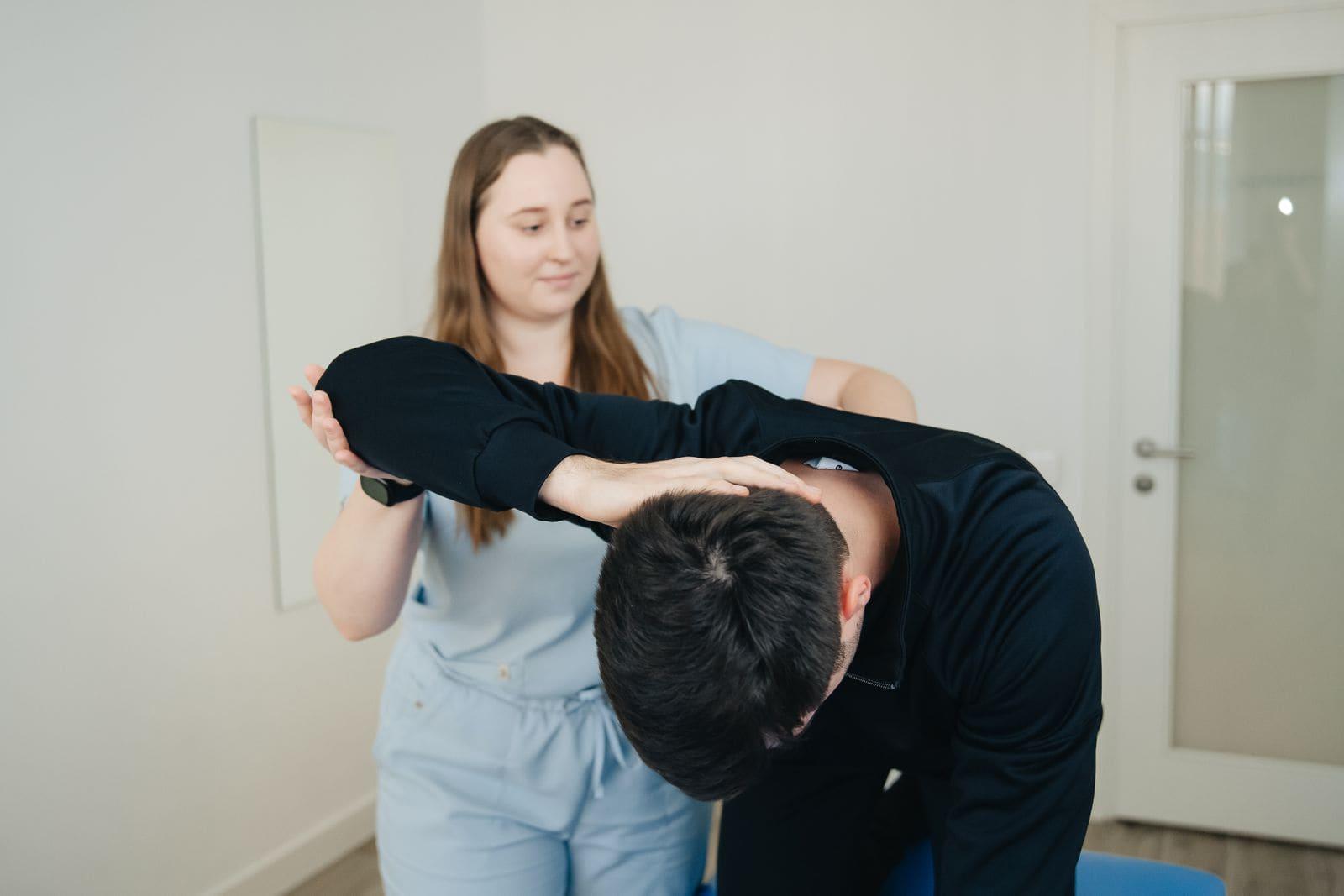
Because the exact diagnosis matters so much for a back injury, seeing a doctor who's familiar with how CTP claims work — and who can complete your Certificate of Fitness — is worth prioritising. Physiotherapy is the usual first-line treatment for a soft tissue strain, and exercise physiology can help with longer-term reconditioning once the acute pain settles. See doctors and allied health for CTP claims if you need help finding the right providers.
Doctors & allied health for CTP claims
Doctors & allied health
Need a doctor who understands CTP claims?
Your claim runs on medical evidence, so the doctor you see matters. If treatment is what you need, we can refer you to a doctor or allied health provider experienced with CTP claims.
- A doctor experienced with CTP claims — for diagnosis, a treatment plan and your Certificate of Fitness, which records your injuries and your capacity for work.
- Allied health such as physiotherapy, psychology and exercise physiology, for the treatment your injuries need.
- Free, with no obligation. We'll tell you if a provider we refer you to is connected with us, and you can always choose your own.
The CTP insurer generally pays for treatment that is reasonable and necessary for your accident injuries. It decides what's approved, and its decisions can be reviewed.
What matters for your claim
- 1Push for a precise diagnosis — "strain" versus "disc injury" versus "nerve involvement" changes your claim significantly
- 2Imaging (MRI or CT) can be important evidence where a structural or disc injury is suspected
- 3Keep records of how the injury affects your ability to work and manage daily tasks
- 4If symptoms persist, a whole person impairment assessment may be relevant to a damages claim
- 5Ask your treating doctor to document any nerve symptoms specifically, since these affect threshold classification
Getting the right evidence
See a doctor promptly and be specific about your symptoms, including any pain radiating into your legs or numbness — these details affect both your treatment and how your injury is classified for your claim. If symptoms are severe or you notice loss of bladder or bowel control, seek medical care immediately.
This is general information, not medical or legal advice. If symptoms are severe or worsening, seek medical care straight away — call 000 in an emergency.