After a car crash in Manilla, the first question is often simply what kind of claim you have. Injuries go to a CTP insurer. Damage to your car goes through property insurance, which isn't something we help with. If the other driver drove off or had no insurance, a different body steps in. Our free claim check sorts out which applies to you, then points you to the right help.
New England & North West · Car accident claims
Car accident claim in Manilla: which kind do you have?
An injury claim, a damage claim and a hit-and-run claim each go somewhere different. We help you tell which you have.
Postcode: 2346
- Free claim check, no obligation
- By phone & online, no office to visit
- Helping people in Manilla & Tamworth
Crashes around Manilla and the kind of claim they lead to
Long drives on the Gwydir and Kamilaroi highways mean the other driver may be passing through. Get their name, address and registration before they leave, even if the crash seemed small. A crash in a car park or private driveway can still lead to an injury claim through CTP. Where exactly it happened matters, so write it down while you remember. Local traffic runs on Fossickers Way. After a crash on any of them, move somewhere safe before exchanging names, addresses and registration numbers. If anyone is hurt, report it to police and keep the event number for the claim.
Hospitals serving the area include Tamworth Hospital. You don't need an ambulance or an emergency visit to have an injury claim, but a doctor should record your injuries and link them to the crash.
- Region
- New England & North West
- Postcode
- 2346
- Main roads
- Fossickers Way
- Nearest public hospital
- Tamworth Hospital
An injury claim and a damage claim are different claims
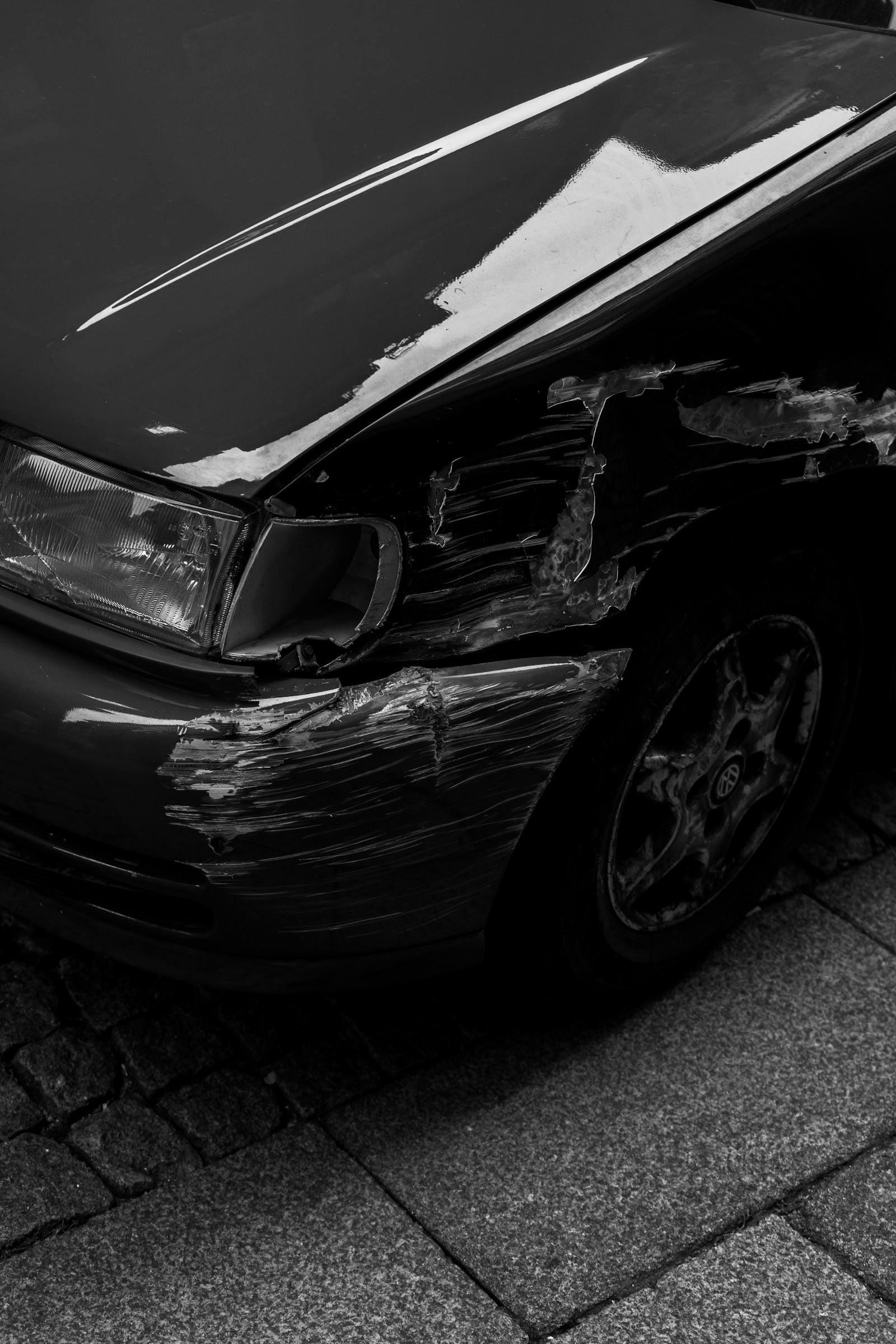
Start by separating what was hurt from what was broken. Injuries to you or anyone else in the crash belong to an injury claim with a CTP insurer. Damage to your car, your phone or a fence belongs to a property claim with your own insurer or the other driver's. Most confusion in the first weeks comes from mixing the two up.
Read next:Which help do I need? Quick check
Who pays for the car, and why it isn't CTP
If only property was damaged and nobody was hurt, there is no CTP claim, and the matter is between the drivers and their property insurers. We don't handle those claims. If someone was hurt as well, keep the two apart in your paperwork and your head. The repair claim can take weeks; the injury claim has deadlines that keep running regardless.
Keep the damage records even though CTP doesn't pay for them. Photos of the vehicles, repair quotes and assessor reports can show how hard the impact was and from which direction. They sometimes help the injury claim, for example when an insurer questions whether a low-speed crash could have caused your injuries.
Which claim do you have?
After a crash, the kind of claim depends on what happened: who was hurt, what was damaged, whether the other vehicle can be found, and whether you were working. Pick the card closest to your situation. Some crashes fit more than one.
- You were injured
An injury goes to a CTP insurer
If anyone in the crash was hurt, even slightly, there is an injury claim to consider. It runs through a CTP insurer, separately from any damage to the cars, with its own forms and deadlines.
CTP claims in Manilla - Your car was damaged
Car and property damage is a separate claim
CTP covers people, not cars. Repairs usually go through your own comprehensive insurance or a claim against the at-fault driver or their insurer. It isn't something we help with, but it shouldn't delay your injury claim.
What CTP does and doesn't cover - Hit-and-run or uninsured
A driver who fled or had no Green Slip
If the vehicle drove off and can't be identified, or had no CTP insurance, you can claim against the Nominal Defendant, a NSW Government-backed fund. Report the crash to police promptly and make due inquiry and search for the vehicle.
Uninsured or unidentified vehicles - Driving for work
Driving for work usually brings another scheme first
If you were driving for work, you generally need to claim workers compensation through your employer's insurer first, and CTP benefits are generally not paid on top. A CTP damages claim against an at-fault driver may still be possible, so get advice.
Crash while working? Quick check - Someone died
When someone died in the crash
The family of someone who died in a NSW crash may be able to claim funeral expenses and, for dependants, the financial support they lost. Support is available through CTP Assist whenever you're ready to talk.
After a fatal crash
General information, not legal advice. Some crashes involve more than one claim. Time limits apply.
When a car accident claim needs legal help
Knowing the kind of claim you have is half the answer. The other half is whether anything about it is unusual: a vehicle that drove off, a crash while working, or an insurer questioning the injury. Here's a quick guide.
Often worth talking to a lawyer
- The other driver disputes that the crash happened the way you say
- Someone died in the crash and the family needs guidance
- You're past 3 months from the crash and haven't claimed yet
- The insurer doubts that a small crash caused your injuries
You may not need one
- You just need to know which form to fill in
- Only your car was damaged and nobody was hurt
- Treatment and a clear medical record are what you need most right now
Whatever kind of claim you have, the injury side rests on medical records. We can point you to doctors and allied health who work with CTP claims and can complete the Certificate of Fitness the insurer asks for.
Not quite your situation?
- If you already know it's a CTP injury claim and just want the steps and deadlines, the CTP claims page walks you through them. CTP claims in Manilla
- If the real argument is about who caused the crash, the car accident lawyer page explains how fault is decided. Car accident lawyer in Manilla
- If you want to know what an injury claim can actually pay, and when, the car accident compensation page covers it. Car accident compensation in Manilla

Free claim check
Sort out your claim in one call
Free and no obligation. Call (02) 7238 7379 or send a few details online, and we'll help you sort out the kind of claim you have.
The first days after a crash: what to gather
The first days set up whichever claim you end up making. Take photos of both cars, the road and any injuries you can see. Write down what happened in your own words while it's fresh. Keep the other driver's details, the police event number if you have one, and every receipt. Then see a doctor and tell them it was a car accident, so the link is recorded from the start.
- Photos of both vehicles, the scene and any injuries
- A written note of what happened, made that day
- Hospital or GP paperwork from the first visit
- Any claim or reference numbers from insurers
Read next:Checklist for the first 30 days
No insurer to claim from? What happens then
A vehicle that can't be identified, or one with no CTP insurance, doesn't leave you without someone to claim against. The Nominal Defendant, a NSW Government-backed fund, stands in for the missing insurer. The injury claim then works in much the same way as any other, and the usual time limits apply from the date of the crash.
- Report it to police promptly and keep the event number
- Write down whatever part of the plate you saw
- Ask nearby businesses and homes about camera footage
Read next:Uninsured or unidentified vehicles
Sore days after the crash? It can still be a claim
It's common for pain or stiffness to appear a day or two after a crash, once the adrenaline wears off, though everyone is different. If that happens, see a doctor and mention the crash. The time limits for claiming run from the date of the accident, not from when symptoms began, and lodging within 28 days of the accident means weekly payments can generally be back-paid to the day after it.
Deadlines run from the crash
Even if you're not sure the injury is serious, check your deadlines early. They start on the day of the crash, not when you first notice symptoms.
Read next:The 28-day rule for CTP claims
When the other driver won't give their details
A police report made close to the time is useful evidence that the crash happened when and how you say. If police came to the scene, ask for the event number before they leave. If they didn't, report it yourself as soon as you can. Insurers generally treat a claim with no police record more cautiously, so it's worth the effort even for a small crash.
A driver who won't cooperate at the scene doesn't stop your claim. What matters is the vehicle, not the driver's attitude. A number plate lets the vehicle's CTP insurer be identified. Without one, the claim may need to go to the Nominal Defendant instead, which is why a prompt police report and a record of what you saw matter so much.
Read next:CTP claim forms
Not sure which claim you have? Start with a free check
A claim check is a short conversation, by phone or online, about your crash. We look at who was hurt, what was damaged and whether the other vehicle can be identified, then explain where each part goes. Many injury claims never need a lawyer. When one does, for example because the facts are unusual, we'll connect you with an independent lawyer.
Frequently asked questions
Write down or photograph the number plate, and note the make, colour and a description of the driver. Then report it to police, including that details weren't exchanged. A vehicle's CTP insurer can usually be found from its registration, so your injury claim can still go ahead. If you didn't get the plate, the Nominal Defendant may be the path instead, and your police report becomes even more important.
Yes. It's not unusual for neck, back or psychological symptoms to appear a day or more after a crash. See a doctor as soon as you notice them and tell them about the accident, so the link is recorded. Remember the time limits run from the date of the accident, not from when the pain began. You can generally still claim up to 3 months after the accident, though weekly payments may then start from the claim date.
The injury claim form usually asks for one, and it helps show the crash happened when and how you say. If police attended, they'll give you the number. If they didn't, you can generally report the crash yourself afterwards and get one then. Not having an event number doesn't necessarily stop a claim, but it can make the insurer more cautious, so it's worth getting.
Not necessarily. Police don't attend every crash, particularly where no one needs an ambulance and the road is clear. You can still report it yourself, and you should keep the event number you're given. A police report made close to the time is an independent record of the crash, which helps if the other driver later changes their story or the insurer questions what happened.
It means making a genuine effort to identify the vehicle that hit you. Reporting to police promptly is the starting point. Beyond that, it can include asking witnesses, requesting camera footage from nearby businesses, checking with neighbours and, in some cases, a public appeal for witnesses. Keep a dated note of each step and everyone you contacted, because you may be asked to show what you did.
You can, if you were injured. Many people with genuine injuries never go to hospital, particularly after a low-speed crash. What matters is that a doctor sees you, records your symptoms and notes that they came from the crash. See a GP as soon as you can and keep that record. The injury claim then runs in the usual way, whether or not there was an ambulance or an emergency visit.
Car accident claim: suburbs near Manilla
Ready to talk it through?
Get a free, no-obligation claim check. It's the first step toward understanding where your claim stands and what help it needs.
CTP Lawyer is not a law firm. This page is general information, not legal advice; the independent lawyer you speak with can advise on your own situation.