The words get confusing quickly after a crash: CTP, Green Slip, third party property, comprehensive, Nominal Defendant. For people in Angus, we translate them into one plain answer about the kind of claim you have. Then we point you to the next step, which might be lodging an injury claim yourself, seeing a doctor, or talking to an independent lawyer.
Blacktown & Mount Druitt · Car accident claims
Car crash claim in Angus? Start with the kind of claim
A small crash can still be an injury claim. The kind of claim decides who you deal with.
Postcode: 2765
- Free claim check, no obligation
- By phone & online, no office to visit
- Helping people in Angus & Gables
Angus: where crashes happen and what to record
Richmond Road, Sunnyholt Road and Rooty Hill Road carry heavy commuter traffic. If the other driver won't give their details after a crash there, photograph their plate and report it to police. A crash in a car park or private driveway can still lead to an injury claim through CTP. Where exactly it happened matters, so write it down while you remember. Hospitals serving the area include Blacktown Hospital. If pain started after you got home, see a GP and mention the crash. That first record is the starting point of any injury claim.
- Region
- Blacktown & Mount Druitt
- Postcode
- 2765
- Main roads
- Garfield Road · Richmond Road
- Nearest public hospital
- Blacktown Hospital
The kinds of claim a car accident can lead to
People often ring about the car first because the damage is visible and the tow truck is waiting. The injury side can seem less urgent, especially if the pain comes later. Yet the injury claim has its own deadlines, running from the date of the crash. Treat the two as separate jobs from day one, even if you only need to act on one of them.
Read next:Which help do I need? Quick check
Sore days after the crash? It can still be a claim
A crash doesn't need to be dramatic to cause an injury. Low-speed bumps, especially from behind, can strain the neck and back, and some people also feel anxious about driving afterwards. If you're hurt, it's an injury claim, however small the damage to the cars. What matters is that a doctor records your symptoms and links them to the crash.
Deadlines run from the crash
Time limits for an injury claim count from the date of the accident, not the day the pain started. If you're unsure, check early rather than late.
Read next:The 28-day rule for CTP claims
Sort your crash into the right claim
An injury, a damaged car and a missing driver are three different problems. The cards below show where each one generally goes. If more than one fits, you may have more than one claim running at once.
- You were injured
An injury goes to a CTP insurer
If anyone in the crash was hurt, even slightly, there is an injury claim to consider. It runs through a CTP insurer, separately from any damage to the cars, with its own forms and deadlines.
CTP claims in Angus - Your car was damaged
Car and property damage is a separate claim
A damaged car, bike or fence is a property claim. It generally goes to your own insurer or the other driver's property insurer, not to CTP, and we don't handle it. Keep it apart from any injury claim.
What CTP does and doesn't cover - Hit-and-run or uninsured
A driver who fled or had no Green Slip
A missing or uninsured vehicle doesn't end an injury claim. The Nominal Defendant stands in for the missing insurer. You'll need to show you tried to identify the vehicle, starting with a prompt police report.
Uninsured or unidentified vehicles - Driving for work
Driving for work usually brings another scheme first
If you were driving for work, you generally need to claim workers compensation through your employer's insurer first, and CTP benefits are generally not paid on top. A CTP damages claim against an at-fault driver may still be possible, so get advice.
Crash while working? Quick check - Someone died
When someone died in the crash
The family of someone who died in a NSW crash may be able to claim funeral expenses and, for dependants, the financial support they lost. Support is available through CTP Assist whenever you're ready to talk.
After a fatal crash
General information, not legal advice. Some crashes involve more than one claim. Time limits apply.
Do you need a lawyer for a car accident claim?
Many car accident injury claims are lodged and run without a lawyer, and property damage never comes through us at all. A lawyer is most useful when the kind of claim is unclear or the facts are complicated. These lists give a rough guide.
Often worth talking to a lawyer
- You were driving for work and aren't sure which claim comes first
- A property insurer wants a signed release that may mention injuries
- The insurer doubts that a small crash caused your injuries
- The other vehicle turned out to be unregistered or uninsured
You may not need one
- Your symptoms are settling and you're back to your usual routine
- The other driver gave full details and police have the event number
- Treatment and a clear medical record are what you need most right now
Whatever kind of claim you have, the injury side rests on medical records. We can point you to doctors and allied health who work with CTP claims and can complete the Certificate of Fitness the insurer asks for.
Not quite your situation?
- Once you know you have an injury claim and want to get it lodged, the CTP claims page sets out each step in order. CTP claims in Angus
- If you're being blamed by the other driver or their insurer, fault is covered in detail on the car accident lawyer page. Car accident lawyer in Angus
- If you want to know what an injury claim can actually pay, and when, the car accident compensation page covers it. Car accident compensation in Angus

Free claim check
Sort out your claim in one call
Free and no obligation. Call (02) 7238 7379 or send a few details online, and we'll help you sort out the kind of claim you have.
What to collect before the details fade
Keep one folder, paper or digital, for everything about the crash from the first day. Put in the other driver's details, photos, the police event number, any hospital or GP paperwork and receipts for costs like medication and travel. If the claim turns out to be simple, it saves time. If it becomes complicated, you'll be glad you started it early.
- Photos of both vehicles, the scene and any injuries
- The other driver's name, address, licence and registration
- Any police event number you were given
- Any claim or reference numbers from insurers
Read next:Checklist for the first 30 days
Repairs, write-offs and hire cars
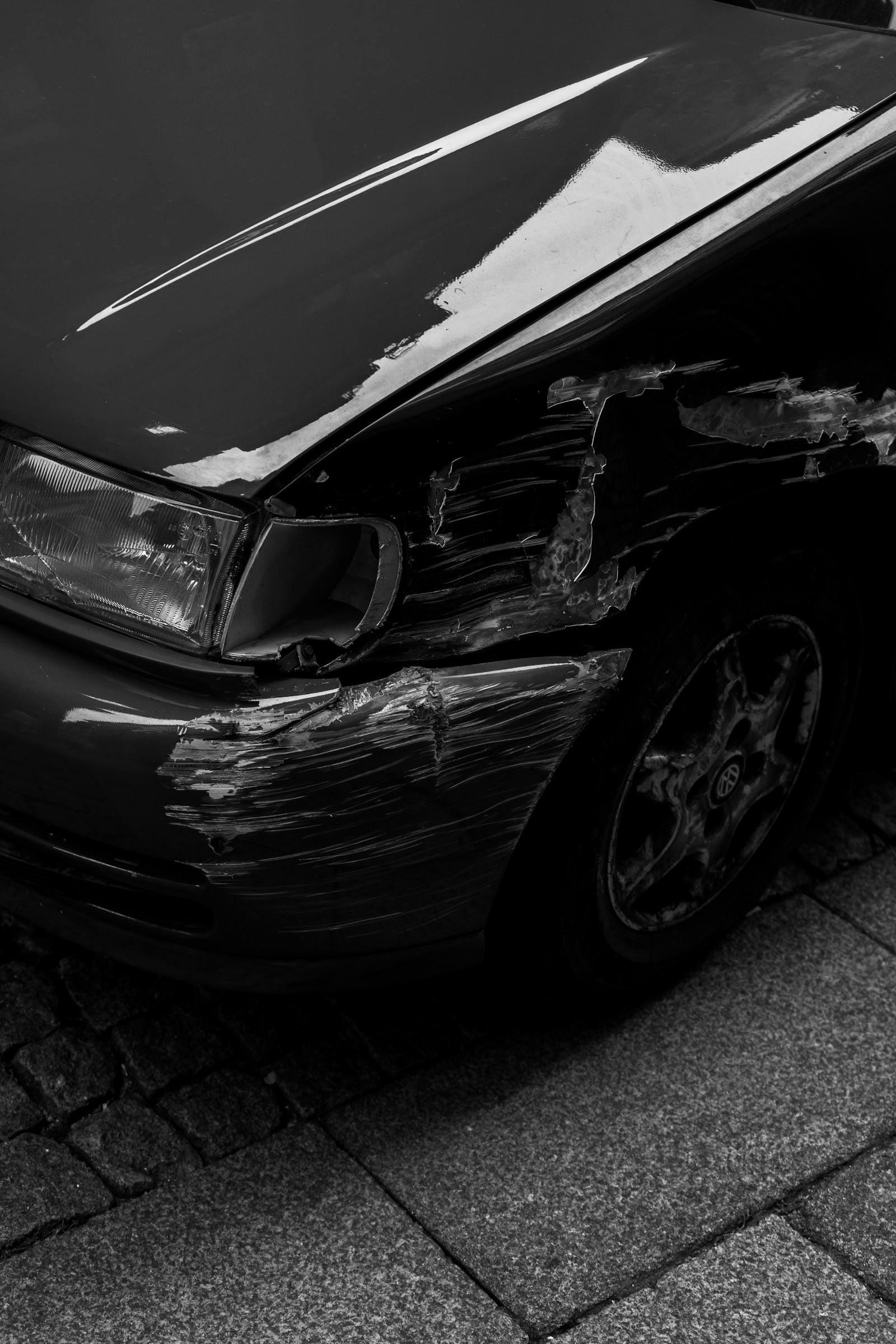
CTP insurance covers injuries to people. It doesn't pay for repairs, write-offs, towing or hire cars. Those costs usually go through your own comprehensive policy, or a claim against the at-fault driver's property insurer. If the at-fault driver has no property insurance, you may have to pursue them directly. This isn't something we help with, but it's worth knowing where it sits.
Be careful with anything you sign to settle the car side. Property insurers sometimes ask for a signed release when they pay. Read what it covers before you sign, and if it seems to mention injuries as well as property, get advice first. A release about your car should not quietly close off an injury claim.
Hit-and-run and uninsured vehicles: the Nominal Defendant
An unregistered or uninsured vehicle is a different problem from a vehicle that can't be found. If you know which vehicle it was but it had no Green Slip, the Nominal Defendant generally deals with the injury claim instead of an insurer. The driver may still be personally responsible for other losses, which is a separate question to raise with a lawyer.
- Write down whatever part of the plate you saw
- Take the details of anyone who stopped or saw it
- Keep a dated list of every step you take to trace it
Read next:Uninsured or unidentified vehicles
Police event numbers and the other driver's details
At the scene, swap names, addresses and registration numbers with every driver involved, and ask for their insurer if they know it. Photograph the other vehicle's plate and the driver's licence if they agree. If the other vehicle is a work, rental or rideshare car, note the company too. These details are what connect your injury claim to the right insurer.
A driver who won't cooperate at the scene doesn't stop your claim. What matters is the vehicle, not the driver's attitude. A number plate lets the vehicle's CTP insurer be identified. Without one, the claim may need to go to the Nominal Defendant instead, which is why a prompt police report and a record of what you saw matter so much.
Read next:CTP claim forms
Not sure which claim you have? Start with a free check
Getting the claim type right early saves time and avoids missed deadlines. There's no charge for the claim check and no obligation to go further. It covers the injury side of a car accident, and it can also point you to doctors and allied health if treatment is what you need first. Property damage we'll simply point back to your insurer.
Frequently asked questions
Often it can be, although it depends on the details. Many car parks open to the public fall within the CTP scheme when a vehicle is being driven and someone is hurt. A private driveway or a closed-off area can raise harder questions. Note the exact level, bay or entry, photograph the scene and ask the centre to keep any camera footage. Then have your situation checked before assuming you can't claim.
For the car, a private arrangement can sometimes work, but get it in writing. For injuries, be cautious. A cash payment from the driver doesn't replace an injury claim through CTP, and accepting one could complicate things if your injuries turn out to be worse than they seemed. Take their full details and registration anyway, report the crash if anyone was hurt, and keep your injury claim options open.
Not necessarily. Police don't attend every crash, particularly where no one needs an ambulance and the road is clear. You can still report it yourself, and you should keep the event number you're given. A police report made close to the time is an independent record of the crash, which helps if the other driver later changes their story or the insurer questions what happened.
Generally, yes. If the vehicle had no CTP insurance, your injury claim goes to the Nominal Defendant, a NSW Government-backed fund that stands in for the missing insurer. The claim runs much like any other. Give the Nominal Defendant everything you know about the vehicle and driver, and report the crash to police promptly if you haven't already. Damage to your car is a separate matter and may have to be pursued against the driver.
Not the CTP insurer, which covers injuries only. Repairs usually go through your own comprehensive insurance, or a claim against the at-fault driver's property insurer if they have one. If they don't, you may need to pursue the driver directly, which can be slower. We don't help with property claims, but keep the repair paperwork anyway, because photos and quotes can help show how hard the impact was.
Yes, but they are two separate claims that run side by side. The injury claim goes to a CTP insurer, and the car goes to your own or the other driver's property insurer. One doesn't wait for the other, and settling the car doesn't settle your injuries. Keep separate folders, and don't sign any release for the car that also mentions injuries without getting advice.
Car accident claim: suburbs near Angus
Ready to talk it through?
Get a free, no-obligation claim check. It's the first step toward understanding where your claim stands and what help it needs.
CTP Lawyer is not a law firm. This page is general information, not legal advice; the independent lawyer you speak with can advise on your own situation.