Generally, yes. Most injured people can claim statutory benefits whoever was at fault. Where nobody was at fault, as with a collision with an animal on a public road, special rules in the NSW scheme help make sure you're not disadvantaged. A passenger in your car can generally claim too. Those rules can get technical when injuries are serious, which makes it a good one for our free claim check. Report the crash to police, keep the event number and have your injuries recorded by a doctor.
Orana
Car accident claims in Bourke Shire: your CTP guide
After a crash around Bourke, Louth or Enngonia, our free claim check tells you straight whether your CTP claim needs a lawyer.
Free claim check
- Free claim check, no obligation
- By phone & online, no office to visit
- Helping people across Bourke Shire
What to know about claims in Bourke Shire
Last updated · General information, not legal advice
Most people hurt in a crash in Bourke Shire, from a town street in Bourke to a station road past Wanaaring, can make a NSW CTP claim, and many never need a lawyer for it. A lawyer becomes worth a call when the insurer says you caused the crash, treats your injury as a threshold injury or stops your payments, or when an injury is serious enough to think about damages. Our claim check carries no charge or obligation, and by phone Wanaaring is no further away than town. If a claim from Hope Street or the Hungerford Road can be run without legal help, that's what we'll say.
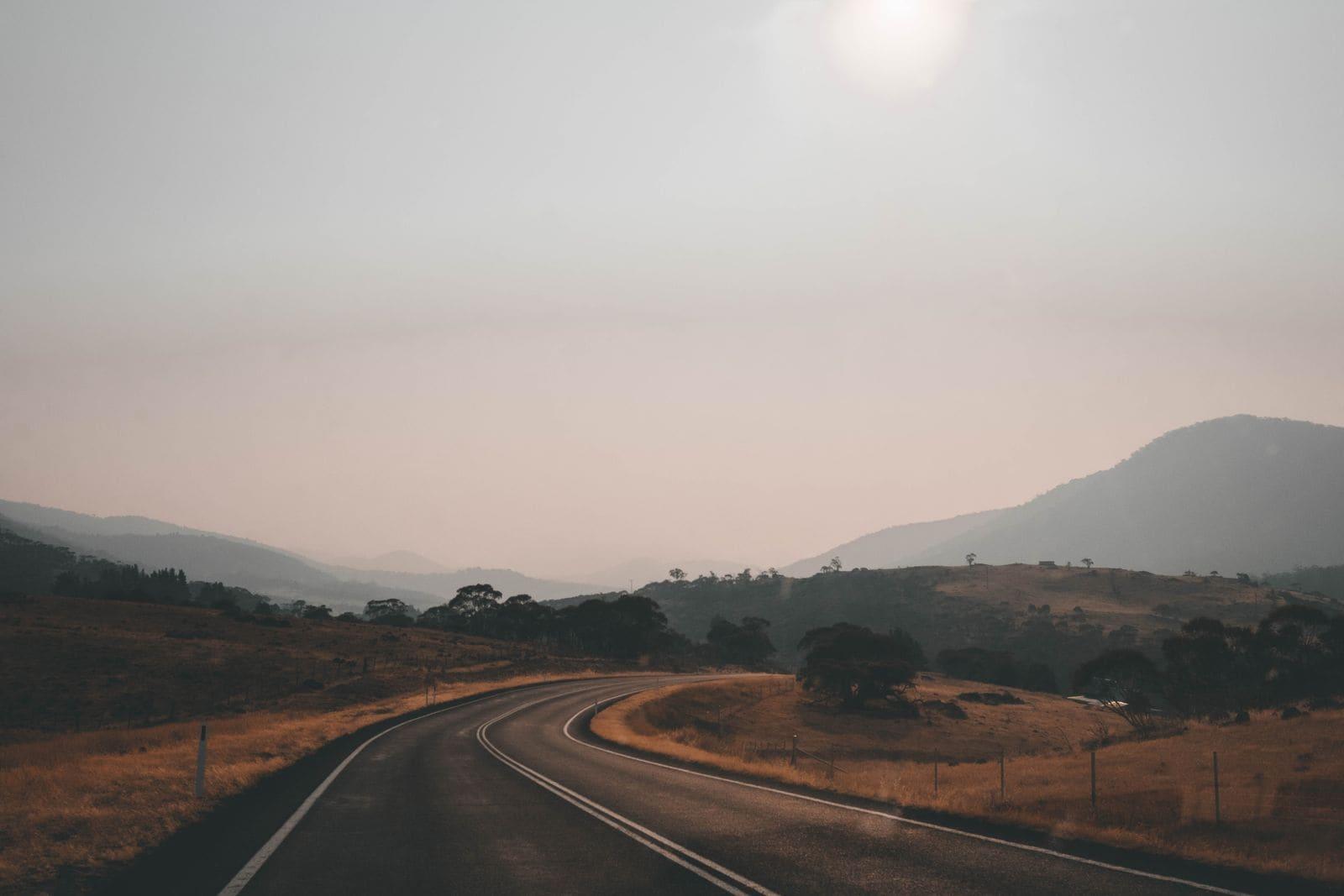
Bourke Shire spreads over more than 40,000 square kilometres of the far north-west, yet only about 2,300 people live here. Bourke, on the Darling River, is the main town. North Bourke, Enngonia, Louth, Byrock, Wanaaring and Fords Bridge are much smaller, with wool, beef and cotton properties in between. Three highways meet at Bourke: the Mitchell Highway from Nyngan and the Queensland border, the Kamilaroi Highway from Brewarrina and the Kidman Way from Cobar. Locals share them with heavy freight and travellers. When the other driver lives interstate or drives for a transport company, pin down the right insurer and the facts on fault early.
Crash data for Bourke Shire: where claims start
Over 2020 to 2024, the Transport for NSW crash figures show about 40 crashes in Bourke Shire where someone was injured, and no deaths. Even so, more than two in five of the people injured were recorded as seriously injured. The Mitchell Highway is the road named most often. Hope Street in town, and Louth Road and Hungerford Road further out, each appear more than once, and motorcyclists were involved in a noticeable share. More than three in five of the crashes happened in high-speed zones. With totals this small, one year can shift the picture a lot. The pattern still matters for a claim: crashes at open-road speed, many of them well out of town, are where fault and the seriousness of an injury tend to be argued over.
Crashes in Bourke Shire, 2020 to 2024
| Year | Crashes where someone was hurt | Killed | Seriously injured | Total casualties | All recorded crashes (including tow-away crashes) |
|---|---|---|---|---|---|
| 2020 | 3 | 0 | 1 | 6 | 6 |
| 2021 | 10 | 0 | 5 | 12 | 13 |
| 2022 | 14 | 0 | 9 | 15 | 17 |
| 2023 | 8 | 0 | 8 | 21 | 13 |
| 2024 | 5 | 0 | 2 | 5 | 7 |
| 2020 to 2024 | 40 | 0 | 25 | 59 | 56 |
A crash where someone was hurt is one in which at least one person was killed or injured. Casualties are people, so one crash can have several. The last column adds tow-away crashes in which no one was hurt. Crashes are counted where they happened. Injury severities are as police recorded them; Transport for NSW's hospital-linked serious injury figures are a different, higher series.
Where crashes most often happened
Crashes where someone was hurt, 2020 to 2024, by road and by locality.
Roads
- Mitchell Highway10 crashes
- Hope Street3 crashes
- Louth Road3 crashes
- Hungerford Road2 crashes
- Bourke Road2 crashes
Localities recorded by Transport for NSW
- Bourke24 crashes
- North Bourke4 crashes
- Louth4 crashes
- Wanaaring3 crashes
- Enngonia3 crashes
Road users and conditions
Share of the 40 crashes where someone was hurt in Bourke Shire from 2020 to 2024. A crash can count in more than one group.
- Involved a motorcycle
- 28%
- 11 crashes
- Involved a pedestrian
- 5%
- 2 crashes
- Involved a heavy vehicle
- 10%
- 4 crashes
- In a 90 km/h or higher speed zone
- 63%
- At an intersection
- 25%
- In darkness
- 35%
- At dusk or dawn
- 13%
- On a wet road
- 13%
Source: Transport for NSW, NSW Road Crash Data 2020 to 2024 (open data). Casualty crashes by LGA of crash. View the dataset.
After a crash in Bourke Shire: protecting your claim
Before you leave the scene, if it's safe, photograph the vehicles and the road, and take the other vehicle's registration, the driver's name and number, and the company name on any truck or road train. If no police officer came out, report the crash and ask for the event number, because the claim needs it; out here that may mean phoning, or calling in at the next station on your route. Have a doctor record every injury, even small ones, as evidence. The claim goes to the at-fault vehicle's CTP insurer, which may not be the one that insures your car.
Your first steps
- Report the crash to policeCall 000 if anyone is hurt or trapped. If police didn't attend, report the crash as soon as you can and keep the event number: the claim generally needs it.
- Work out whose insurer you claim fromIt's usually the CTP insurer of the vehicle most at fault, found from its registration.
- Get a Certificate of FitnessYour doctor completes a Certificate of Fitness, which records your injuries and your capacity for work. The insurer needs it for your claim.
- Claim early and keep copiesKeep the claim form, every letter from the insurer, receipts and a record of time off work. See how to make a CTP claim.
CTP time limits
- 28 days: to have weekly payments back-paid to the day after the accident, the insurer generally needs your claim within 28 days of it.
- 3 months: you can still claim up to 3 months after the accident. For accidents from 1 April 2023, a claim made after 28 days may still be back-paid if you give a full and satisfactory explanation for the delay. Later claims are generally accepted only in limited circumstances.
- 28 days from a decision: the usual time to ask the insurer for an internal review of most decisions.
- 3 years: a common law damages claim must generally be made within 3 years of the accident, and within 2 years if you want weekly payments to continue beyond 2 years.
These limits apply across NSW, and your own dates can differ, so ask about them in your claim check. More on CTP claim time limits.
Were you driving for work?
Read about the CTP side of a crash while driving for work.
Your CTP claim: benefits, disputes and legal help
Plenty of crashes around Bourke lead to a claim you can manage on your own: a low-speed bump on a town street, a clearly at-fault driver, injuries that settle. A lawyer tends to matter more after a highway-speed crash on the Mitchell Highway or the Kidman Way with no one else there to see it, when a truck operator or interstate driver disputes fault, or when a rider who came off on the Louth Road is told it was entirely their own doing. Threshold-injury disputes, weekly payments that stop and serious injuries that open up a damages claim belong in that group too. From Byrock to Yantabulla, the free claim check reviews the insurer's decisions by phone and gives you a plain answer on whether an independent CTP lawyer is needed. If you were driving for work, it's usually a workers compensation claim first, which is a different scheme; we can point you to the right help.
Statutory benefits and damages
A CTP claim has two parts. Statutory benefits are what the CTP insurer pays during the claim: weekly payments if you can't work (up to 95% of your pre-accident earnings for the first 13 weeks, then up to 80% or 85%, subject to a maximum indexed each year) and treatment and care that is reasonable and necessary for your accident injuries. For a threshold injury (generally a soft tissue injury or a threshold psychological injury, previously called a 'minor injury'), they generally stop at 52 weeks for accidents from 1 April 2023.
Common law damages are a separate lump sum. They may be open if another driver was at fault, you weren't mostly at fault and your injury is more than a threshold injury. Damages for pain and suffering need a whole person impairment of more than 10%. A damages claim generally can't be made until 20 months after the accident, unless your impairment is assessed as more than 10%.
When the insurer says no
You can challenge most insurer decisions. The first step is an internal review, which you generally need to request within 28 days of receiving the decision. The insurer usually has 14 days to decide (21 days for some medical and miscellaneous matters, up to 28 days if it needs more information).
If the review doesn't settle it, the Personal Injury Commission, an independent tribunal, handles merit review, medical assessment, miscellaneous claims assessment and damages claims assessment. A dispute about a threshold injury or your level of impairment can involve a medical assessment.
What legal help costs
Legal costs are regulated: tightly in statutory benefits claims, and capped by the Regulation in damages claims. Many motor accident lawyers offer 'no win, no fee' terms, which usually means you pay no professional fees if the claim doesn't succeed. Terms vary, so ask for a written costs disclosure before you agree to anything.
SIRA funds a free CTP Legal Advisory Service for some statutory benefits questions (accidents from 1 December 2017). It doesn't cover damages claims, older-scheme claims, or matters already at internal review or the Personal Injury Commission.
Free claim check
Tell us where your claim is up to
Lodged or not, what the insurer has said, whether payments have started: we check the time limits and anything in dispute, then connect you with an independent lawyer experienced in motor accident claims, or tell you that you don't need one.
Suburbs and towns we cover in Bourke Shire
8 places in the council area. We help people from all of them by phone and online.
- Bourke
- North Bourke
- Enngonia
- Wanaaring
- Louth
- Byrock
- Fords Bridge
- Yantabulla
Getting around Bourke Shire
- The Mitchell Highway (linking Queensland with Nyngan and Dubbo), the Kamilaroi Highway (from Brewarrina and Walgett) and the Kidman Way (from Cobar) meet at Bourke
- NSW TrainLink coach services link Bourke with Dubbo and other regional centres
- Bourke Airport serves the town, and there are smaller airstrips at Louth and Wanaaring
- There is no passenger rail: trains to Bourke, once the end of the Main Western line, stopped in 1975
Neighbouring council areas
Brewarrina, Cobar, Bogan Shire, Central Darling.
Bourke Shire also borders Queensland. If your crash happened over the border, different rules may apply, so say where it happened when you get your claim checked.
Questions about car accident claims in Bourke Shire
Not always, but a fault dispute is one of the clearer reasons to talk to one. Fault affects what a CTP claim can pay, including whether a damages claim is open to you. The insurer makes a decision about fault under the scheme rules, and you can challenge it. Keep your photos, write down what you remember while it's fresh, and get the police event number. Our claim check can tell you whether an independent CTP lawyer should look at it.
It depends on fault and on how serious his injuries turn out to be. A damages claim is generally possible when another driver was at fault, he wasn't mostly at fault himself, and his injury is more than a threshold injury. Compensation for pain and suffering also needs a higher level of impairment, which is formally assessed. Serious injuries like his are where an independent CTP lawyer is usually worth speaking to early. Our claim check can look at where his claim is up to.
No. CTP insurance covers injuries to people, not damage to cars or other property. Repairs are dealt with separately from your CTP claim, usually through property damage insurance.
You can still claim. A claim for an unidentified vehicle, such as a hit-and-run, or an uninsured vehicle is made against the Nominal Defendant, a NSW Government-backed fund that stands in for the missing insurer. You need to make 'due inquiry and search' to identify the vehicle, so report the crash to police promptly and ask witnesses.
Sources and further reading
The CTP scheme
About the area
- Wikipedia: Bourke Shire
- Wikipedia: Bourke, New South Wales
- Wikipedia: Bourke railway station
- Wikipedia: Bourke Airport
- Wikipedia: Wanaaring, New South Wales
- Wikipedia: Barringun, Queensland
- Wikipedia: Mitchell Highway
- Wikipedia: Kidman Way
- Wikipedia: Kamilaroi Highway
- ABS 2021 Census QuickStats
- Bourke Shire Council website
- Bourke Shire Council website: airports
Crash figures retrieved 2 October 2026.
Ready to talk it through?
Get a free, no-obligation claim check. It's the first step toward understanding where your claim stands and what help it needs.
CTP Lawyer is not a law firm. This page is general information, not legal advice; the independent lawyer you speak with can advise on your own situation.